Military Companion: Mission Planning for Debt, Retirement, and Family Peace
Financial Horizons: Insights for Building Wealth and Securing Your Legacy
Military Companion: Mission Planning for Debt, Retirement, and Family Peace
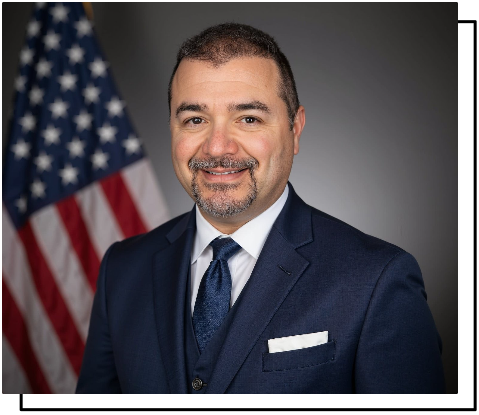
By Dr. Jose G. Cardenas | Chief Tax Strategist, The C & R Group, LLC
Military families understand something most people do not:
A mission can fail even when every individual task looks like it is being completed.
You can be working hard, paying bills, contributing to retirement, managing a mortgage, making vehicle payments, supporting children, and still feel like the financial picture is not coming together.
That is because activity is not the same as coordination.
Military families are especially vulnerable to this problem because life already comes with extra moving parts.
PCS moves.
TDY.
Deployments.
Housing changes.
Special pays.
Spouse employment disruptions.
TSP decisions.
VA benefits.
Retirement planning.
Then layer normal family finances on top of all that.
Debt.
Savings.
College.
Insurance.
Taxes.
Holiday spending.
At some point, everyone is doing their part—but nobody feels like the mission is getting easier.
That is where financial mission planning matters.
Family Peace Starts With a Clear Financial Mission
Money problems are rarely just about numbers.
They affect conversations.
Stress.
Marriage.
Sleep.
Parenting.
Future plans.
When a family does not know what the financial mission is, every money decision can turn into a separate debate.
Should we pay the credit card?
Should we save more?
Should we increase TSP?
Should we buy the new vehicle?
Should we travel for the holidays?
Should we pay down the mortgage?
Everyone may have a reasonable opinion.
But without a shared destination, those opinions compete.
A Financial GPS creates a common mission.
It asks:
Where are we now?
Where do we want to go?
What should the next available dollar do?
That does not eliminate every disagreement.
But it gives the family something more useful than emotion to work from.
It gives them a route.
Debt and Retirement Should Not Be Separate Missions
One of the biggest mistakes I see is treating debt payoff and retirement as if they have nothing to do with each other.
They are directly connected.
If you carry large monthly debt payments into retirement, your future income must cover them.
If you eliminate debt before retirement, you may reduce the income your family needs later.
That matters for military households because retirement income may come from several sources:
Military retirement.
TSP.
Social Security.
VA compensation where applicable.
Civilian retirement accounts.
Other investments.
The stronger the household cash flow is before retirement, the more flexibility those income sources may provide later.
This does not mean every extra dollar should automatically go toward debt.
It means debt payoff should support the retirement mission.
A high-interest credit card may deserve priority.
A low-rate mortgage may not.
A family with no emergency savings may need to build reserves before becoming overly aggressive with debt.
The route should fit the actual situation.
A Short Military Family Example
Imagine a recently retired senior NCO and spouse.
They have:
military retirement income;
TSP assets;
civilian employment income;
a mortgage;
two vehicle payments;
and credit-card debt left over from a PCS and transition period.
On paper, the household income looks solid.
But monthly payments consume so much of the cash flow that retirement still feels far away.
They decide to build a Financial GPS.
First, they stop making random extra payments.
They identify the highest-cost debt.
They protect a reasonable emergency reserve.
They target the credit cards first.
When those payments disappear, the recovered cash flow is reassigned toward the vehicle debt and retirement.
The important change was not just that debt went down.
The couple stopped arguing about what every extra dollar should do.
The plan answered that question before the money arrived.
That is financial mission planning.
Long-Term Wealth Tools Come After the Foundation
Once debt, cash flow, emergency reserves, retirement, and family protection are being coordinated, some military and veteran families may begin looking at additional long-term tools.
That may include permanent life insurance such as indexed universal life insurance.
An IUL may provide a death benefit and may accumulate cash value over time.
For suitable families, policy value may later be available through withdrawals or policy loans, subject to the contract.
That can potentially create another source of long-term flexibility.
But this is where discipline matters.
An IUL is not a substitute for fixing poor cash flow.
It is not a shortcut around high-interest debt.
It is not free money.
And it should not replace good retirement planning.
The policy has insurance costs, crediting rules, surrender provisions, and loan interest.
If it belongs in the plan, it should support the mission.
Not become the mission.
That is why I continue to use the phrase:
Plan first. Product second.
Five Moves for Military Family Financial Readiness
Before the end of the year, sit down as a family and do five things:
List every debt and monthly payment. Know what is consuming your cash flow.
Review retirement income and contributions. TSP, military retirement, civilian accounts, and other resources should be viewed together.
Set one shared family priority. Eliminate high-interest debt, build reserves, prepare for retirement, or another major goal.
Assign extra income before it arrives. Bonuses, special pays, tax refunds, and reimbursements should already have orders.
Schedule a regular financial mission review. A plan that is never revisited eventually becomes outdated.
That is enough to create direction.
You do not need a 50-page financial binder.
You need a mission everyone understands.
Final Thought
Military families already know how to operate under pressure.
You plan.
You adapt.
You communicate.
You adjust when the situation changes.
Your finances should work the same way.
Debt should support the retirement plan.
Retirement should support the family mission.
Insurance should protect the people who matter.
Cash flow should create choices.
And every extra dollar should know what job comes next.
The goal is not simply more money.
The goal is more control, more flexibility, and more peace inside the family.
A good financial plan should reduce confusion—not add to it.
Your family deserves the same clarity at home that every successful mission requires in the field.
Protect, Grow, and Transfer Wealth — The Right Way.
Book Your Strategy Consultation
If your military or veteran household has good income but still feels pulled in too many financial directions, let's build the mission together.
Schedule a consultation to review debt, cash flow, TSP and retirement goals, family protection, and long-term wealth strategy.
Booking link:
https://api.leadconnectorhq.com/widget/booking/T4UHUjCijCtIB3rwoTDI
Phone: 580-699-1591
Booking your appointment now:

ABOUT THE AUTHOR
Dr. Jose G. Cardenas is a retired U.S. Army Finance Officer and the Chief Tax Strategist at The C & R Group, LLC. With a Doctorate in Business Administration and over 20 years of experience in tax planning and financial strategy, Dr. Cardenas helps individuals and business owners legally reduce taxes, strengthen cash flow, and build lasting wealth and legacy. Learn more at www.thecrgroupllc.com
DISCLOSURE
This article is for educational and informational purposes only and is not intended to serve as personalized legal, tax, or investment advice. Tax laws and regulations change over time and may vary by jurisdiction. You should consult with a qualified tax professional regarding your specific circumstances before implementing any strategy discussed here. Dr. Jose G. Cardenas, DBA, provides tax advisory services through The C & R Group, LLC. Insurance and investment strategies may be offered through his role as a licensed financial professional affiliated with Experior Financial Group.