Military Companion: Veterans, Debt, and the Next Mission at Home
Financial Horizons: Insights for Building Wealth and Securing Your Legacy
Military Companion: Veterans, Debt, and the Next Mission at Home
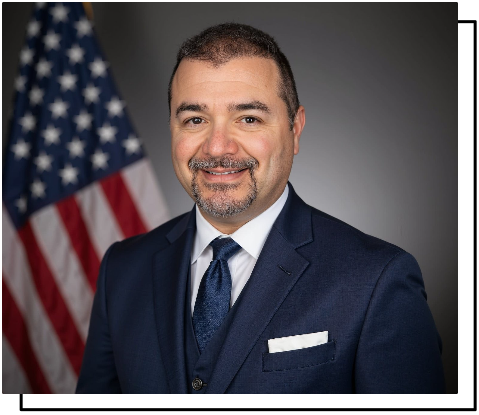
By Dr. Jose G. Cardenas | Chief Tax Strategist, The C & R Group, LLC
Leaving the military does not mean the mission ends.
It changes.
For years, service members are trained to operate with structure.
There is a mission.
There is a plan.
There is accountability.
There are standards.
There are resources.
There is a chain of command.
Then military service ends, and suddenly many veterans are expected to manage a very different kind of mission at home.
Mortgage.
Credit cards.
Vehicle payments.
Retirement.
Health-care costs.
Family expenses.
Taxes.
College.
Business decisions.
Travel.
Legacy planning.
And unlike a military operation, nobody hands you an operations order for your financial life.
That is why veterans need a new mission at home.
One that focuses on controlling debt, strengthening cash flow, protecting the family, and building long-term financial freedom.
Debt Can Follow Veterans Into the Next Chapter
Military service provides structure, but it does not automatically create financial independence.
A service member may retire with:
A military pension.
TSP savings.
VA benefits where applicable.
Social Security later.
Civilian employment.
Those resources can create a strong foundation.
But debt can still consume a large portion of the income.
Mortgage payments.
Vehicle loans.
Credit cards.
Personal loans.
Student debt.
Business obligations.
If those payments remain high, the veteran may have strong income on paper but limited financial flexibility.
That matters because retirement from the military is not always retirement from work.
Many veterans transition directly into civilian careers.
Others start businesses.
Some want more time with family.
Some want to travel.
Some simply want the freedom to stop working when they choose.
Debt affects all of those options.
Your New Mission Starts With Cash Flow
Veterans already understand that a mission requires resources.
Your financial mission is no different.
Cash flow is the resource.
The question is:
How much of your monthly income do you actually control?
Suppose a retired military family receives:
Military retirement.
VA compensation where applicable.
Civilian employment income.
Maybe a spouse’s income.
The total may look strong.
But if much of that money is already committed to debt and recurring expenses, the family may have less flexibility than expected.
That is why the Financial GPS starts with cash flow.
What comes in?
What goes out?
What payments are limiting the family most?
What money could be recovered by eliminating debt?
And once that money is recovered, what mission will it support next?
That is the planning process.
Debt Payoff Should Have a Mission Beyond Zero
Veterans are often goal-oriented.
That can make debt payoff feel natural.
Pick the target.
Attack the target.
Complete the objective.
But the real opportunity begins after the debt is gone.
Imagine a retired veteran eliminates:
A $700 vehicle payment.
A $400 credit-card payment.
And a $300 personal loan.
That is $1,400 per month of recovered cash flow.
More than $16,000 per year.
The family now has options.
Increase retirement savings.
Build emergency reserves.
Accelerate the mortgage.
Travel.
Help children or grandchildren.
Invest.
Fund a business.
Strengthen insurance protection.
Build a legacy.
The zero balance is not the end of the mission.
It is a resource recovery operation.
You are taking income that belonged to lenders and returning it to the family.
A Simple Veteran Family Example
Imagine a retired senior NCO in his early 50s.
He receives military retirement income.
He has a civilian job.
His spouse also works.
The household income is strong.
But the family has:
A mortgage.
Two vehicle payments.
Credit-card balances.
And limited emergency savings.
They want to travel more.
They want to increase TSP and retirement savings.
And they want the option to fully retire within the next ten years.
At first, those goals seem difficult.
Then they build a Financial GPS.
They identify the highest-cost debt.
They establish a realistic emergency reserve.
They stop adding new balances.
They begin eliminating debt in a deliberate sequence.
Each time a payment disappears, that cash flow gets reassigned.
Over time, their monthly obligations decline.
The retirement plan strengthens.
The family gains flexibility.
Their income did not suddenly double.
Their financial structure improved.
That is the mission.
Military Retirement Is a Resource, Not the Entire Plan
Military retirement can provide tremendous value.
But veterans should not assume that the pension alone solves every long-term financial problem.
Retirement planning may still need to account for:
TSP.
Civilian retirement accounts.
Social Security.
VA benefits where applicable.
Taxes.
Health-care costs.
Insurance.
Debt.
Housing.
Inflation.
Longevity.
The goal is to coordinate those resources.
For example, reducing debt before full retirement may lower the amount of monthly income the household needs.
That can make the pension, Social Security, TSP, and other assets more effective.
Debt reduction and retirement planning should support each other.
One lowers the family’s future obligations.
The other provides future resources.
Veterans Should Protect the Emergency Reserve
Veterans are often disciplined enough to attack debt aggressively.
That is good.
But do not become so aggressive that every available dollar goes toward debt while the family has no emergency reserve.
Life still happens.
Vehicle repairs.
Home repairs.
Medical expenses.
Travel.
Family emergencies.
If there is no liquidity, the next surprise may go directly onto a credit card.
Now the family is rebuilding the debt it just worked to eliminate.
A better strategy balances both objectives.
Reduce expensive debt.
Build reserves.
Then keep moving.
Financial readiness is not just having less debt.
It is being prepared for what comes next.
The Next Mission May Include Wealth and Legacy
Once cash flow improves and debt is under control, the financial mission can expand.
Now the family may begin focusing more heavily on:
Retirement income.
Investments.
Tax planning.
Business ownership.
Estate planning.
Life insurance.
Legacy.
For some suitable veteran families with a legitimate permanent insurance need, a properly structured Indexed Universal Life policy may eventually become one piece of that broader Financial GPS.
It may provide permanent death-benefit protection and potential cash-value accumulation.
But the sequence still matters.
Do not force an advanced strategy into a household that is already struggling with cash flow.
Strengthen the foundation first.
Then evaluate which wealth-building tools belong in the mission.
Five Steps for the Veteran’s Next Financial Mission
If you are retired, transitioning, or already several years into civilian life, start here:
Identify how much monthly income you truly control after debt and fixed expenses.
Choose which debts are limiting your financial options most.
Build and protect an emergency reserve while reducing expensive debt.
Coordinate military retirement, TSP, Social Security, VA benefits where applicable, and civilian retirement resources.
Give every eliminated payment a new mission before the debt reaches zero.
That is your new operations plan.
Final Thought
Military service teaches us that missions change.
The objective changes.
The environment changes.
The resources change.
But planning still matters.
Your next mission may no longer involve deployments, formations, or operations orders.
Now the mission may be:
Get out of debt.
Protect the family.
Strengthen retirement.
Build wealth.
Create options.
Leave a legacy.
That mission deserves the same level of discipline you gave your military career.
You served with a mission. Your money should have one too.
Debt is not the final destination.
It is one obstacle on the route.
Build the Financial GPS.
Recover the cash flow.
Give every dollar a mission.
And take control of the next chapter.
Protect, Grow, and Transfer Wealth — The Right Way.
Book Your Strategy Consultation
If you are active duty, transitioning, retired military, or a veteran and want to build a clearer financial mission for the next chapter, let’s review the entire Financial GPS.
Schedule a strategy consultation to review debt, cash flow, military retirement, TSP, family protection, and long-term wealth goals.
Booking link:
https://api.leadconnectorhq.com/widget/booking/T4UHUjCijCtIB3rwoTDI
Phone: 580-699-1591
Booking your appointment now:

ABOUT THE AUTHOR
Dr. Jose G. Cardenas is a retired U.S. Army Finance Officer and the Chief Tax Strategist at The C & R Group, LLC. With a Doctorate in Business Administration and over 20 years of experience in tax planning and financial strategy, Dr. Cardenas helps individuals and business owners legally reduce taxes, strengthen cash flow, and build lasting wealth and legacy. Learn more at www.thecrgroupllc.com
DISCLOSURE
This article is for educational and informational purposes only and is not intended to serve as personalized legal, tax, or investment advice. Tax laws and regulations change over time and may vary by jurisdiction. You should consult with a qualified tax professional regarding your specific circumstances before implementing any strategy discussed here. Dr. Jose G. Cardenas, DBA, provides tax advisory services through The C & R Group, LLC. Insurance and investment strategies may be offered through his role as a licensed financial professional affiliated with Experior Financial Group.