Why Retirement Planning Should Not Wait Until Debt Is Gone
Financial Horizons: Insights for Building Wealth and Securing Your Legacy
Why Retirement Planning Should Not Wait Until Debt Is Gone
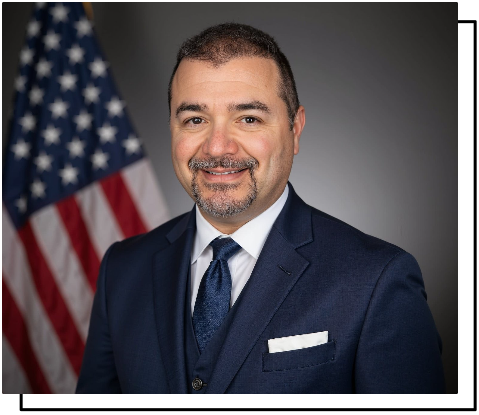
By Dr. Jose G. Cardenas | Chief Tax Strategist, The C & R Group, LLC
A lot of people make the same mistake.
They tell themselves:
“I’ll start seriously planning for retirement once the debt is gone.”
That sounds reasonable.
Pay off the credit cards.
Eliminate the vehicles.
Reduce the mortgage.
Then start building retirement.
The problem is that debt payoff can take years.
Sometimes a decade or more.
And retirement planning has one advantage debt payoff can never give back once it is lost:
Time.
That does not mean you should ignore debt.
It means debt reduction and retirement planning should work together instead of waiting in separate lines.
The Financial GPS should answer both questions at the same time:
How do we reduce what we owe while still building what we will need later?
Waiting Has a Cost Too
Debt has an obvious cost.
Interest.
Payments.
Reduced monthly cash flow.
But delaying retirement planning also has a cost.
You lose years of contributions.
Years of potential growth.
Years of employer matching opportunities.
Years to adjust if the retirement plan is falling short.
That matters.
A 35-year-old who waits ten years before seriously saving for retirement has less time to build than someone who starts today, even if the person who waited eventually contributes more.
The lesson is not complicated:
You cannot go back and buy more time later.
That is why the goal should not automatically be:
“Debt first. Retirement later.”
A better strategy may be:
“Reduce expensive debt aggressively while preserving the retirement opportunities that matter most.”
Not All Debt Deserves the Same Priority
This is where planning becomes important.
A high-interest credit-card balance is different from a low-rate mortgage.
A vehicle payment is different from an employer retirement match.
A personal loan is different from building emergency reserves.
If a family treats every debt as equally urgent, it may make poor decisions.
Suppose your employer matches retirement contributions up to a certain percentage.
If you stop contributing entirely to attack debt, you may be giving up compensation that could have helped build your future.
On the other hand, aggressively investing while carrying very expensive revolving debt may also be inefficient.
The correct answer depends on the numbers.
Interest rates.
Cash flow.
Emergency reserves.
Age.
Employer benefits.
Retirement timeline.
That is why the Financial GPS matters.
It helps determine which dollars need to attack debt and which dollars need to keep working for retirement.
A Simple Family Example
Imagine a married couple in their early 40s.
They have:
$20,000 in credit-card debt.
Two vehicle loans.
A mortgage.
Employer-sponsored retirement plans.
And about $1,500 per month of available cash flow.
They want to become debt-free.
So they consider stopping all retirement contributions until every balance is eliminated.
That could take several years.
Instead, they take a more coordinated approach.
They continue contributing enough to receive their full employer matches.
They maintain a reasonable emergency reserve.
Then they direct the majority of their remaining available cash flow toward the highest-cost debt.
As balances disappear, the payments get redirected.
First toward the next debt.
Then, eventually, toward higher retirement contributions.
The couple is still attacking debt aggressively.
But retirement did not stop.
That distinction matters.
Retirement Planning Is More Than Contributions
Another reason not to wait is that retirement planning is not just about putting money into an account.
It also includes:
Knowing your target retirement age.
Estimating future income needs.
Understanding Social Security.
Reviewing pensions.
Evaluating TSP, 401(k), 403(b), IRA, or other retirement accounts.
Planning around taxes.
Reviewing insurance.
Understanding health-care costs.
Preparing for longevity.
Considering legacy goals.
You can work on all of those areas while debt is still being reduced.
In fact, the earlier you understand the retirement picture, the better your debt strategy can become.
For example, if you know you want to retire at 62, you can ask:
Which debts need to disappear before then?
How much cash flow needs to be recovered?
What retirement savings level are we targeting?
Now debt payoff has a deadline tied to a larger mission.
That is much more powerful than simply saying:
“We want to be debt-free someday.”
Your Debt-Free Date and Retirement Date Should Work Together
Yesterday we discussed how debt can delay retirement.
Today the other side of that idea matters just as much.
Do not wait until debt is gone before creating the retirement plan.
Create the retirement plan now so you know what the debt strategy needs to accomplish.
If you want to retire at 60 and your mortgage runs until 72, that deserves attention.
If vehicle payments keep restarting every few years, that deserves attention.
If credit-card balances are preventing you from increasing retirement contributions, that deserves attention.
The retirement plan gives context to the debt plan.
And the debt plan gives cash-flow support to the retirement plan.
That is how the two should work.
Recovered Cash Flow Should Strengthen Retirement
One of the biggest opportunities comes when a debt disappears.
Suppose you eliminate a $650 monthly vehicle payment.
That is $7,800 per year.
If that money simply becomes new lifestyle spending, the family may feel more comfortable without becoming more prepared.
But if part of that recovered cash flow increases retirement contributions, the payoff has now created a second benefit.
The debt is gone.
And the future is stronger.
That is why every debt payment should have a next assignment before the balance reaches zero.
For example:
A $500 credit-card payment disappears.
Maybe $300 moves to the next debt.
And $200 increases retirement contributions.
Later, another debt disappears.
Now even more cash flow can be redirected.
The exact percentages will vary.
The principle does not.
Debt payoff should eventually create retirement capacity.
Emergency Savings Still Matters
There is another balance to maintain.
If a family sends every available dollar toward debt and retirement while keeping no emergency reserve, one unexpected expense can create new debt.
Vehicle repair.
Medical bill.
Home repair.
Family emergency.
Now the household is back on the credit card.
That is why the Financial GPS should coordinate three goals:
Debt reduction.
Retirement preparation.
Liquidity.
A strong plan does not solve one problem by creating another.
What About IUL and Other Long-Term Strategies?
Once the financial foundation becomes stronger, some families may consider additional long-term tools.
Investments.
Real estate.
Business ownership.
Permanent life insurance.
For suitable households with a legitimate permanent insurance need, a properly structured Indexed Universal Life policy may potentially provide death-benefit protection, cash-value accumulation, and future financial flexibility.
But the same principle applies.
Do not wait forever to think about long-term wealth.
And do not rush into a product before the cash flow supports it.
Plan first.
Strengthen the foundation.
Then determine which tools belong in the strategy.
Five Ways to Balance Debt Payoff and Retirement Planning
Consider these five steps:
Identify the debts that are costing you the most in interest and cash flow.
Preserve valuable retirement opportunities, including appropriate employer matching where available.
Maintain enough emergency savings to avoid immediately creating new debt.
Give every paid-off payment a new assignment before the balance reaches zero.
Compare your debt-free timeline with your retirement timeline at least once a year.
That is how debt reduction and retirement planning begin moving in the same direction.
Final Thought
You do not need to be debt-free before you start planning for retirement.
And you do not need to ignore debt while building retirement assets.
The better answer is coordination.
Pay down expensive debt.
Protect cash flow.
Capture important retirement opportunities.
Build emergency reserves.
Redirect recovered payments.
And keep your retirement destination visible throughout the process.
Debt payoff and retirement planning are not two separate missions. They are two parts of the same Financial GPS.
Do not wait until the debt is gone to start planning your future.
By then, you may have lost the one resource you can never recover:
Time.
Protect, Grow, and Transfer Wealth — The Right Way.
Book Your Strategy Consultation
If you are trying to decide how much should go toward debt and how much should continue toward retirement, let’s review the entire Financial GPS.
Schedule a strategy consultation to review your debt, cash flow, retirement goals, emergency savings, family protection, and long-term wealth strategy.
Booking link:
https://api.leadconnectorhq.com/widget/booking/T4UHUjCijCtIB3rwoTDI
Phone: 580-699-1591
Booking your appointment now:

ABOUT THE AUTHOR
Dr. Jose G. Cardenas is a retired U.S. Army Finance Officer and the Chief Tax Strategist at The C & R Group, LLC. With a Doctorate in Business Administration and over 20 years of experience in tax planning and financial strategy, Dr. Cardenas helps individuals and business owners legally reduce taxes, strengthen cash flow, and build lasting wealth and legacy. Learn more at www.thecrgroupllc.com
DISCLOSURE
This article is for educational and informational purposes only and is not intended to serve as personalized legal, tax, or investment advice. Tax laws and regulations change over time and may vary by jurisdiction. You should consult with a qualified tax professional regarding your specific circumstances before implementing any strategy discussed here. Dr. Jose G. Cardenas, DBA, provides tax advisory services through The C & R Group, LLC. Insurance and investment strategies may be offered through his role as a licensed financial professional affiliated with Experior Financial Group.